BPC-157 10mg – Premium Research Peptide | Peptide Core USA
Price range: $56.00 through $98.00
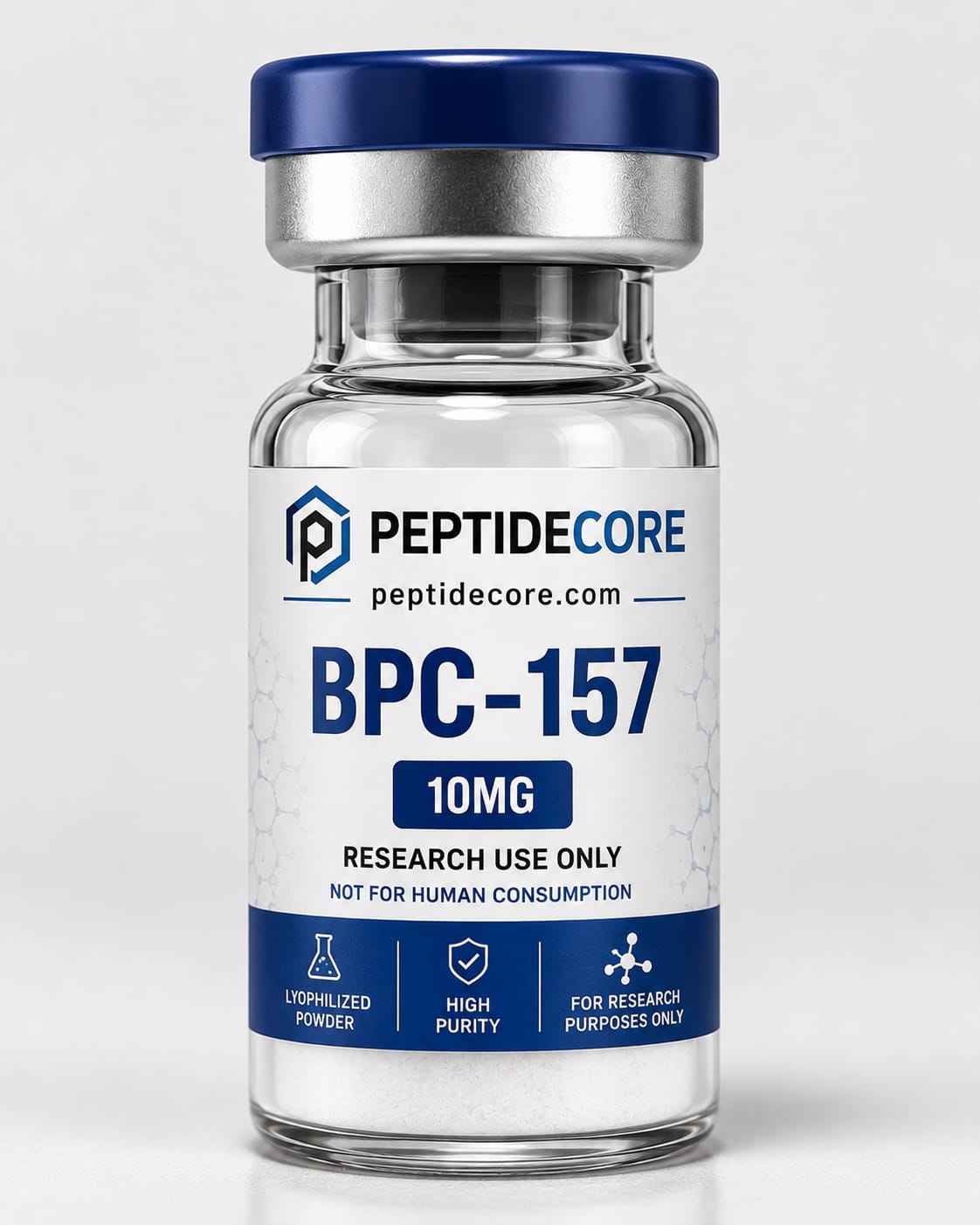
BPC-157 10mg (Body Protection Compound-157) is a synthetic pentadecapeptide derived from a protective protein found in human gastric juice. Manufactured in the USA and tested to ≥99% purity via HPLC and Mass Spectrometry, this lyophilized research-grade peptide is backed by a full Certificate of Analysis (COA). Peptide Core USA’s BPC-157 10mg is intended exclusively for in vitro and laboratory research use.
- Purity: ≥99% (HPLC Verified)
- Format: Lyophilized Powder (Vial)
- Quantity: 10mg per vial
- Molecular Formula: C₆₂H₉₈N₁₆O₂₂
- Molecular Weight: 1419.55 g/mol
- CAS Number: 137525-51-0
- Storage: 2–8°C (short-term) / −20°C (long-term)
- Research Use Only — Not for Human Consumption
BPC-157 10mg | Research-Grade Body Protection Compound | Peptide Core USA
BPC-157 10mg (Body Protection Compound-157) is one of the most extensively studied synthetic peptides in modern preclinical research. Composed of 15 amino acids in the sequence Gly-Glu-Pro-Pro-Pro-Gly-Lys-Pro-Ala-Asp-Asp-Ala-Gly-Leu-Val, this stable gastric pentadecapeptide has been the subject of over 30 years of published research, with more than 130 peer-reviewed studies examining its mechanisms and biological properties.
At Peptide Core USA, our BPC-157 10mg is manufactured domestically, lyophilized for maximum stability, and independently tested to confirm ≥99% purity and accurate molecular identity — with every batch accompanied by a Certificate of Analysis.
What Is BPC-157?
BPC-157, short for Body Protection Compound-157, is a synthetic partial sequence of a protein originally isolated from human gastric juice. It is classified as a pentadecapeptide — meaning it consists of exactly 15 amino acids. While BPC-157 itself is a synthetic sequence, its parent protein plays a well-documented role in protecting and maintaining the integrity of the gastrointestinal mucosa.
What makes BPC-157 particularly unique among research peptides is its remarkable chemical stability. Unlike most peptides, BPC-157 resists hydrolysis, enzymatic digestion, and degradation in gastric acid for more than 24 hours — properties that have made it a subject of significant scientific interest.
BPC-157 Molecular Profile
| Property | Details |
|---|---|
| Common Name | BPC-157 / Body Protection Compound-157 |
| Also Known As | Pentadecapeptide BPC-157, PL 14736 |
| Amino Acid Sequence | Gly-Glu-Pro-Pro-Pro-Gly-Lys-Pro-Ala-Asp-Asp-Ala-Gly-Leu-Val |
| Molecular Formula | C₆₂H₉₈N₁₆O₂₂ |
| Molecular Weight | 1419.55 g/mol |
| CAS Number | 137525-51-0 |
| Amino Acid Count | 15 (Pentadecapeptide) |
| Purity (Peptide Core USA) | ≥99% |
| Testing Methods | HPLC, Mass Spectrometry |
| Form | Lyophilized Powder |
| Vial Size | 10mg |
Research Areas & Proposed Mechanisms
Preclinical studies (primarily in animal models) have investigated BPC-157 across a broad range of biological systems. Below are the primary research areas and mechanisms that have been documented in published literature.
1. Tissue Repair & Musculoskeletal Healing
BPC-157 is most widely studied for its proposed role in tissue regeneration, with preclinical data covering tendons, ligaments, muscles, and bone. Research suggests several contributing mechanisms:
- Growth Factor Modulation: BPC-157 may activate the JAK2 signaling pathway and upregulate growth hormone receptor expression in tendon fibroblasts, enabling enhanced responsiveness to growth hormone.
- Collagen Synthesis: Studies suggest the peptide may stimulate collagen formation and fibroblast activity through the FAK-paxillin pathway — two processes critical to tissue regeneration.
- Accelerated Recovery Models: Animal models of Achilles tendon injury, ligament tears, and muscle damage have shown reduced healing times and improved functional outcomes following BPC-157 administration.
A 2025 systematic review published in Orthopaedic Sports Medicine analyzed 36 studies spanning 1993–2024 and concluded that BPC-157 helps promote healing by boosting growth factors and reducing inflammation, with improved outcomes observed across muscle, tendon, ligament, and bone injury models in animals.
2. Angiogenesis & Blood Vessel Formation
One of the distinguishing research findings on BPC-157 is its pro-angiogenic activity — its potential to promote the formation of new blood vessels. Research published in Scientific Reports identified that BPC-157 increases VEGFR2 (vascular endothelial growth factor receptor 2) expression on endothelial cell surfaces and promotes receptor internalization, activating downstream signaling that stimulates new blood vessel growth. This mechanism may contribute to enhanced tissue perfusion and repair in injury models.
3. Gastrointestinal Cytoprotection
BPC-157’s origin in gastric biology makes the GI tract a primary area of research interest. Animal studies have investigated its protective potential in models of:
- NSAID-induced intestinal and gastric damage
- Ulcerative colitis
- Esophageal and intestinal fistulae
- Anastomotic healing and short bowel syndrome
- Perforated cecum
The peptide is believed to act as a cytoprotective agent, maintaining mucosal integrity through interaction with the nitric oxide (NO) system and modulation of gut blood flow. Its stability in gastric acid — lasting more than 24 hours — makes it uniquely suited for GI-focused research regardless of administration route.
4. Anti-Inflammatory Activity
BPC-157 has demonstrated potential to modulate the body’s natural inflammatory response in preclinical models. This is thought to occur through:
- Suppression of pro-inflammatory cytokine activity
- Interaction with the NO-system, balancing nitric oxide’s dual roles as a protective and potentially damaging agent
- Regulation of serotonin, dopamine, GABA, and opioid signaling pathways
These pathways suggest BPC-157 may be of interest in research on inflammation-associated tissue degradation.
5. Neurological & Neuroprotective Research
Emerging preclinical research has investigated BPC-157’s potential as a neurotransmitter-like agent. Studies in rodent models have explored its effects following ischemia, carotid artery clamping, and exposure to neurotoxic agents. Research suggests possible neuroprotective benefits in models of Parkinson’s-like and Alzheimer’s-like neurodegenerative conditions, with BPC-157 countering lesion formation and behavioral deficits.
6. Cardiovascular & Organ Protection
Animal models have also investigated BPC-157 in the context of:
- Cardiotoxicity and arrhythmia
- Hemorrhage and thrombocytopenia
- Anaphylaxis
- Brain and liver lesions following toxic insults (e.g., acetaminophen overdose)
- Periodontitis
These findings have contributed to BPC-157’s characterization in research literature as a pleiotropic compound — one capable of influencing multiple biological systems through overlapping mechanisms.
Human Research
While the overwhelming majority of BPC-157 data comes from animal models, early human research has emerged:
- A 2024 pilot study administered 10mg of BPC-157 to 12 women with severe interstitial cystitis (bladder pain syndrome). Ten of the 12 subjects (83%) reported complete resolution of symptoms following a single treatment cycle, with no adverse events or dropouts reported.
- A small case series investigating BPC-157 for chronic knee pain reported that 7 of 12 participants experienced significant symptom relief lasting more than six months after a single injection.
- The Lee & Burgess (2025) pilot study explored intravenous dosing in the 10–20mg range, representing the first peer-reviewed evidence of high-dose systemic BPC-157 administration in humans.
These early findings are considered preliminary, and extensive, well-controlled human clinical trials are still needed to confirm safety and efficacy in human populations.
Safety Profile in Preclinical Research
A 2020 review examining BPC-157 safety across preclinical studies concluded that the peptide showed no test-related toxic effects in single-dose toxicity studies and was well tolerated in repeat-dose evaluations. Multiple animal studies have noted that BPC-157 has no reported lethal dose (LD50 not achieved), suggesting a favorable toxicological profile in animal models. Human pilot studies to date have similarly reported no adverse events.
Note: BPC-157 is not approved by the FDA for human use. The World Anti-Doping Agency (WADA) classifies BPC-157 as an S0 unapproved substance, banning its use in competitive sports. All BPC-157 purchased from Peptide Core USA is strictly for in vitro and laboratory research purposes only.
Why Choose Peptide Core USA for BPC-157 10mg?
✔ USA-Manufactured — Produced domestically, not imported from overseas suppliers ✔ ≥99% Purity — Verified by HPLC and Mass Spectrometry ✔ Certificate of Analysis (COA) — Full transparency; COA available for every batch ✔ Lyophilized Format — Freeze-dried powder for maximum stability and shelf life ✔ No Fillers or Additives — Pure peptide, nothing else ✔ Fast Shipping — Same-day or next-day dispatch on in-stock items ✔ Dedicated Research Support — Our team is available to assist with product and research inquiries
Storage & Handling Guidelines
- Short-Term Storage: 2–8°C (refrigerator) for up to 4 weeks
- Long-Term Storage: −20°C (freezer); stable for 12–24 months when properly stored
- Reconstitution: For laboratory use, reconstitute with sterile or bacteriostatic water; 2mL of bacteriostatic water is standard for a 10mg vial
- Protect from Light: Store vials in a dark environment away from UV exposure
- Do Not Freeze-Thaw Repeatedly: Aliquot if multiple uses are anticipated
Product Details at a Glance
| Specification | Detail |
|---|---|
| Product Name | BPC-157 10mg |
| Brand | Peptide Core USA |
| SKU | PCA-BPC157-10MG |
| Quantity | 10mg per vial |
| Form | Lyophilized Powder |
| Purity | ≥99% |
| Molecular Formula | C₆₂H₉₈N₁₆O₂₂ |
| Molecular Weight | 1419.55 g/mol |
| CAS Number | 137525-51-0 |
| Storage | 2–8°C / −20°C (long-term) |
| Certificate of Analysis | Yes — included with every batch |
| Country of Origin | USA |
| Intended Use | Research & Laboratory Use Only |
Legal Disclaimer
BPC-157 10mg sold by Peptide Core USA is intended for research and laboratory purposes only. This product is not intended for human or veterinary use, is not a drug or dietary supplement, and has not been evaluated or approved by the U.S. Food and Drug Administration (FDA). It must not be used for self-administration or administered to any human or animal outside of a licensed research setting. By purchasing this product, you confirm that you are a qualified researcher or licensed professional using this compound in compliance with all applicable federal, state, and local laws.
Frequently Asked Questions (FAQ)
Q: What is BPC-157 used for in research? A: BPC-157 is studied for its potential roles in tissue repair, angiogenesis, gastrointestinal cytoprotection, anti-inflammatory activity, and neuroprotection in preclinical animal models.
Q: Is BPC-157 approved by the FDA? A: No. BPC-157 is not FDA-approved for human use and is sold exclusively for in vitro and laboratory research purposes.
Q: What purity is Peptide Core USA’s BPC-157? A: Our BPC-157 is verified at ≥99% purity via HPLC and Mass Spectrometry, with a Certificate of Analysis available for each batch.
Q: How should BPC-157 10mg be stored? A: Store at 2–8°C for short-term use or −20°C for long-term storage. Keep away from light and avoid repeated freeze-thaw cycles.
Q: Does Peptide Core USA ship BPC-157 pre-mixed? A: No. BPC-157 is shipped in lyophilized (freeze-dried) powder form for optimal stability during transit and storage.
Q: Where is Peptide Core USA’s BPC-157 manufactured? A: Our BPC-157 is manufactured in the USA and independently tested for purity and molecular identity.
Research citations available upon request. All product claims are based on published preclinical literature and do not constitute medical claims.
© Peptide Core USA — peptidecoreusa.com
| Strenght | 10MG, 20MG |
|---|
1 review for BPC-157 10mg – Premium Research Peptide | Peptide Core USA
Add a review
Related products
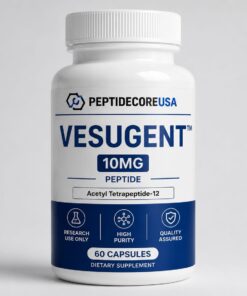
Anti-Aging Peptides
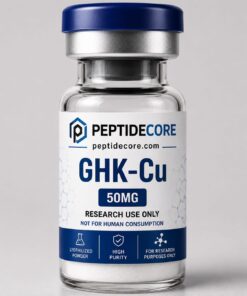
Healing & Recovery Peptides
GHK-Cu 50mg – Premium Copper Peptide Research Vial | Peptide Core USA
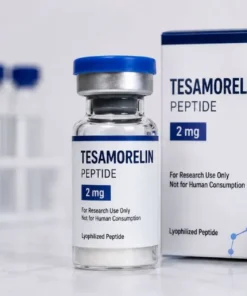
Growth Hormone Peptides
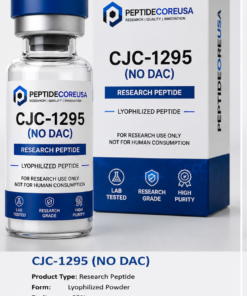
Growth Hormone Peptides
CJC-1295 No DAC 5mg Research Peptide | Premium Quality | PeptideCore USA
Immune Support Peptides
Immune Support Peptides
Healing & Recovery Peptides
Growth Hormone Peptides
yabohrudrick@gmail.com –
best peptide for welness